Turning evidence into something useful
I work at the intersection of science, data, agriculture and development.
Through Amaterra Ltd, I have advised businesses, universities, NGOs and international organisations on questions where the answer isn't straightforward.
My work has included agriculture and commodities, smallholder farmers, rural finance, data systems, certification, value chains and sustainable development.
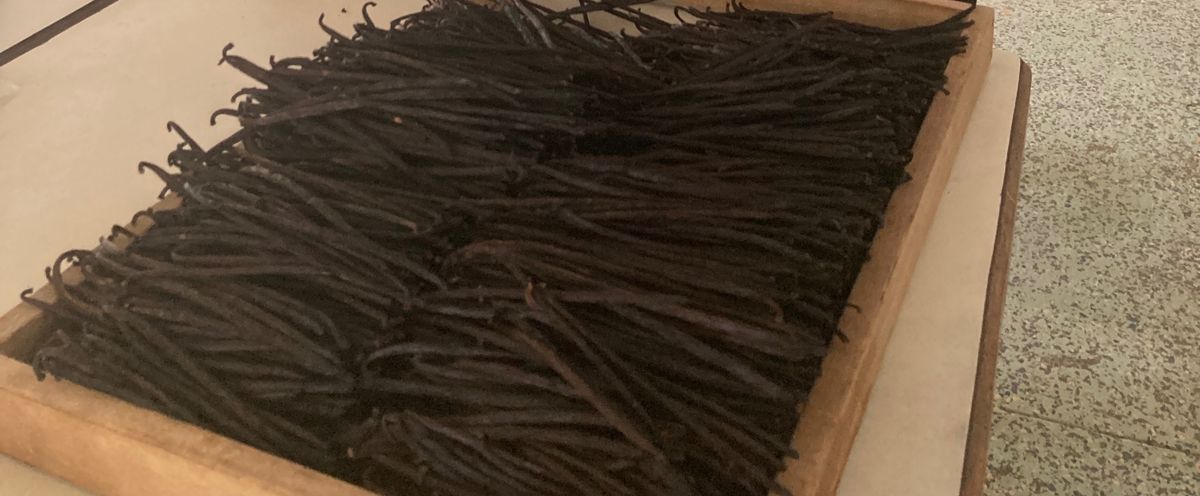
Agriculture & commodities
I have spent much of the last eight years working with farmers and agricultural businesses in Papua New Guinea.
That has included capacity building within the vanilla sector, agricultural data, rural finance, sustainability and commodities.
Data & financial inclusion
One of the questions I have worked on is whether better information about farmers can help overcome a problem faced by conventional financial systems: how do you assess someone who has little formal financial history?
In a GSMA AgriTech initiative with Kamapim, MiBank and Field Buzz, I worked on the data system behind a rural-loan pilot, including farmer data, economic identity and credit scoring.
The underlying question was simple:
Can the right data make someone visible to a financial system?
Evidence in value chains
I am interested in what happens between a claim and reality.
- Is a farm where it is supposed to be?
- Does it meet the required standard?
- Does training actually change behaviour?
- Does a certification reflect what is happening on the ground?
- Does an intervention produce the outcome it was supposed to produce?
These are data questions, but they are also questions about how organisations make decisions.
Development
My work has taken me into projects involving agriculture, food, rural development, financial inclusion and international development.
I am particularly interested in the point where good intentions meet messy evidence.
Sometimes the data supports the intervention.
Sometimes it doesn't.
Either way, the job is to report what the evidence shows.
Published work
Reports and papers you can read for yourself. My full publication list is on Google Scholar: more than 1,600 citations, h-index 11. My ORCID iD is 0000-0002-4330-5192.
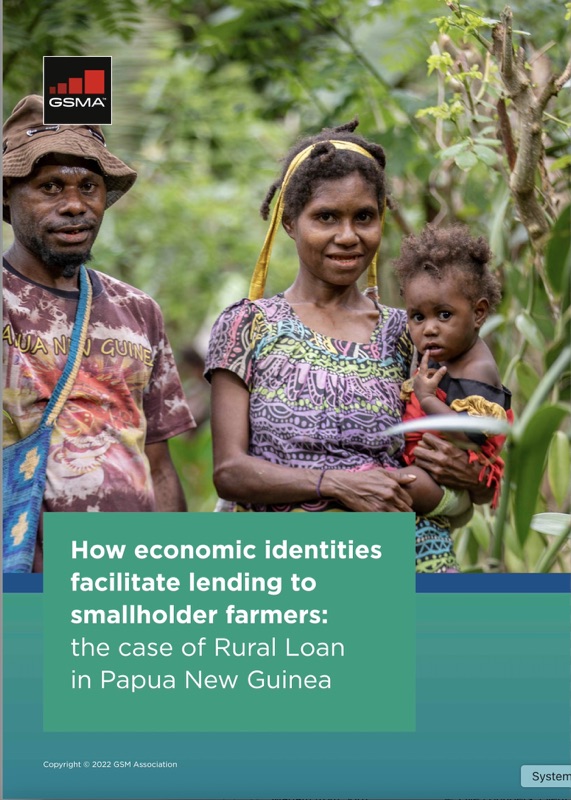
GSMA, 2022
How economic identities facilitate lending to smallholder farmers: the case of Rural Loan in Papua New Guinea
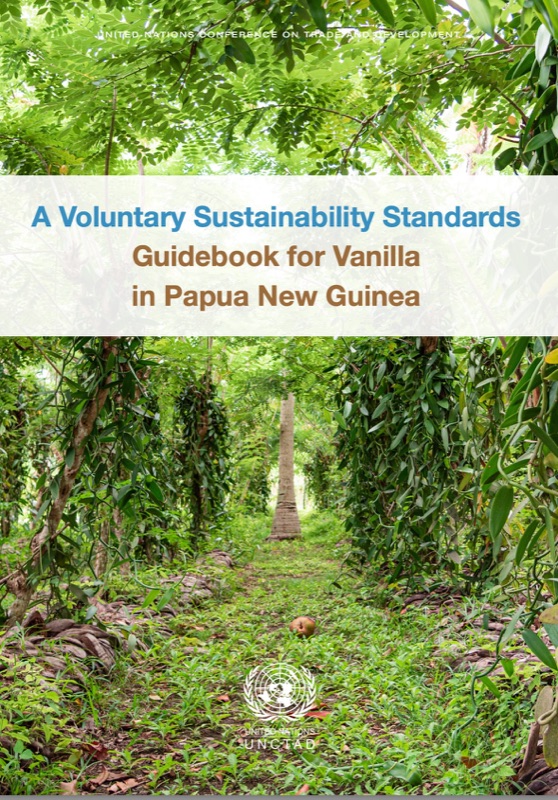
UNCTAD, 2023
A Voluntary Sustainability Standards Guidebook for Vanilla in Papua New Guinea, and the Papua New Guinea Vanilla Export Guide
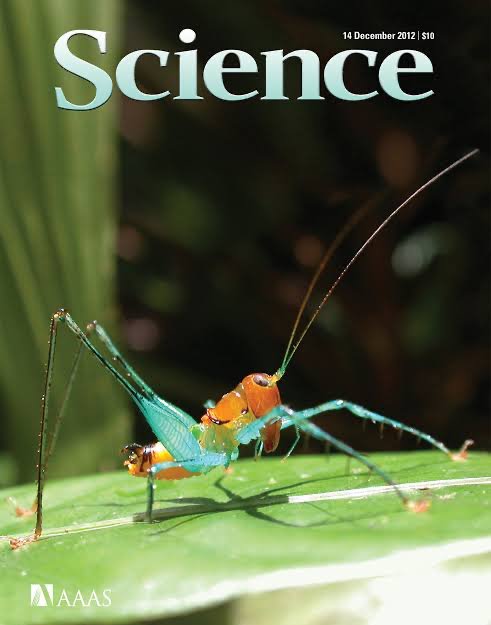
Science, 14 December 2012
Arthropod diversity in a tropical forest. Co-author; I carried out the statistical analysis.
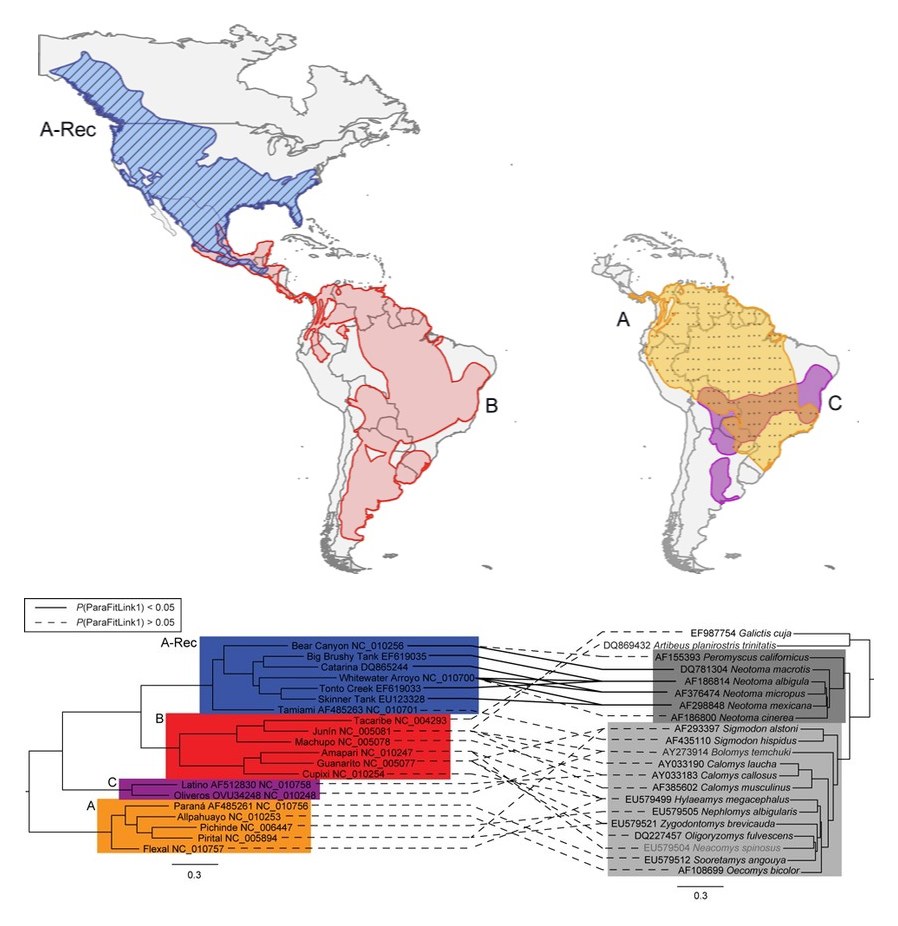
Molecular Ecology, 2012
Complex patterns of host switching in New World arenaviruses. Co-author.
How I work
I start with the question.
Then I ask what would have to be true for the answer to be useful.
- What data do we need?
- What assumptions are we making?
- What can the evidence support?
- And what remains uncertain?
That is where good analysis starts.